Google Faces AI Spending Surge, Legal Blow Over Scraping, and Rising Publisher Defiance
The search engine ecosystem is experiencing a period of significant transition, marked by shifting financial growth, a major legal decision on scraping public search results, and growing resistance from major publishers. These updates highlight how search revenue continues to grow amid massive investments in artificial intelligence, while court rulings and publisher negotiations are reshaping the rules of data access.
Search Revenue Climbs Amid AI-Driven Capital Spending
In its Q2 2026 earnings report, Alphabet announced that Google Search and other revenues grew by 17% year-over-year, reaching $63.27 billion. While still representing substantial growth, this rate marks a slight slowdown from the 19% growth recorded in Q1 2026, ending a four-quarter streak of acceleration.
According to Google executives, artificial intelligence and retail performance are key factors in these financial results:
- AI Search Query Growth: Alphabet CEO Sundar Pichai noted that the search engine's popular AI features are successfully driving growth in search queries.
- Vertical Performance: Chief Business Officer Philipp Schindler attributed the revenue gains to strong vertical performance, which was led by retail.
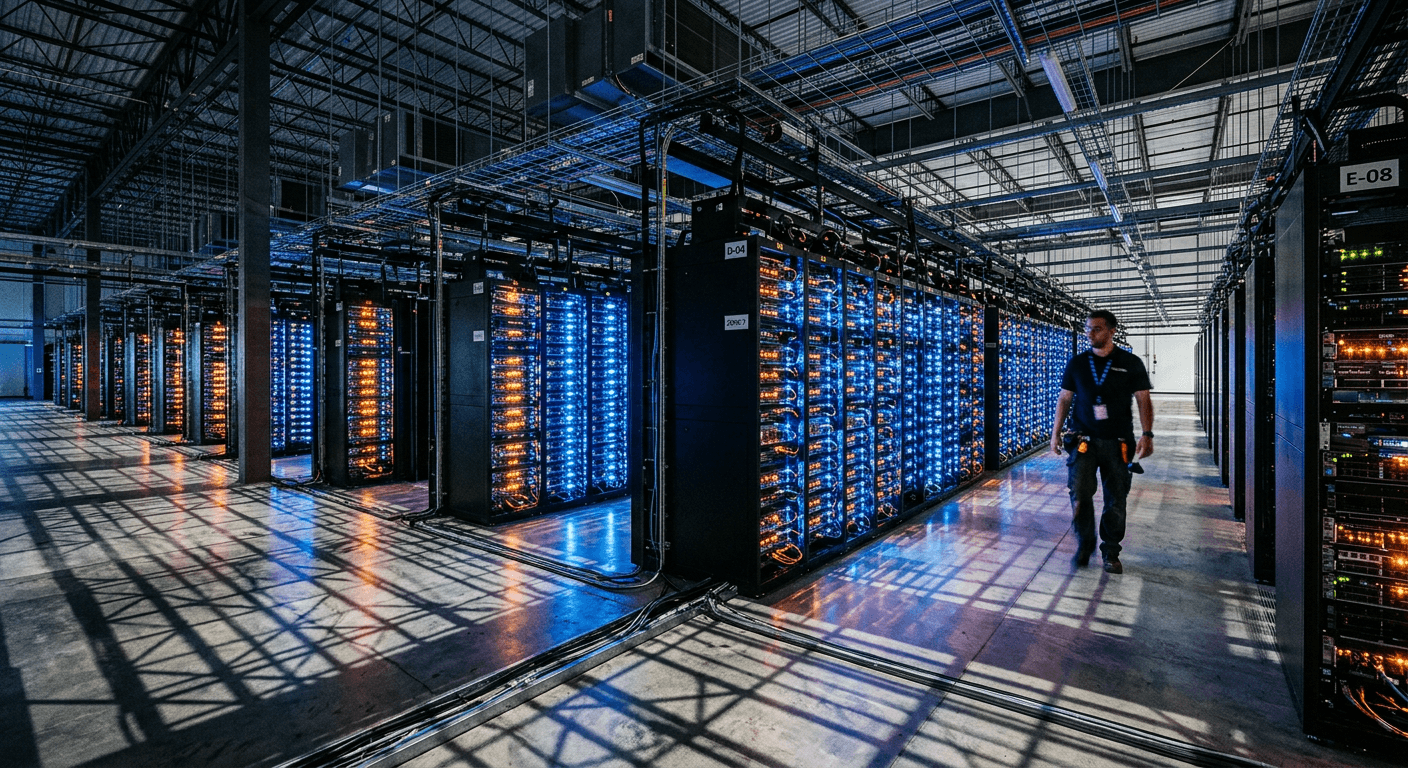
- Capital Expenditure Increases: Alphabet raised its capital spending forecast for 2026 to a range of $195 billion to $205 billion.
During the earnings call, Pichai highlighted Gemini 4—currently in the pretraining stage—as the foundational model Google requires to remain competitive at the frontier of AI technology. He specifically identified coding and agentic coding as key areas where Google needs to improve its capabilities.
Legal Victory for Scraping Tools: Google's DMCA Claims Dismissed
A federal judge has dismissed Google's Digital Millennium Copyright Act (DMCA) claims against the search result scraping tool SerpApi. The ruling establishes that bypassing technical barriers to collect public search results does not violate the DMCA if the retrieved results do not contain copyrighted content.
The court's decision addressed several components of the dispute:
- Anti-Circumvention Dismissal: The judge dismissed Google's anti-circumvention claims. Claims based on search results lacking copyrighted content were dismissed without leave to amend.
- Licensed Images Exception: For claims involving licensed images within the search results, Google was granted permission to amend its complaint within 21 days.
- SearchGuard and Right to Sue: The court rejected SerpApi's assertion that Google lacked the legal right to sue. Additionally, the judge found that Google had plausibly alleged that SerpApi circumvented its SearchGuard protection system.
The decision has generated widespread discussion among SEO practitioners and search industry leaders. Rand Fishkin, co-founder and CEO of SparkToro, expressed deep gratitude to SerpApi on X, stating that anyone who crawls the web or relies on products that do should feel the same. Nick LeRoy, an independent SEO consultant, characterized the ruling on X as a 'fantastic victory for the industry.' Lily Ray, founder of Algorythmic, shared on LinkedIn her surprise at the dismissal, wondering if it will lead to increased scraping from large language models (LLMs) and tracking tools, as well as additional noise in Google Search Console reporting.
Publishers Reconsider the Value of Google's Index
As search technologies evolve, some of the web's largest publishers are questioning whether the traffic they receive from Google Search justifies the inclusion of their content.
According to recent reports:
- USA Today Co.: CEO Mike Reed stated that the company is prepared to remove its properties from Google's index within the next six to twelve months.
- Reddit: The platform is reevaluating its $60 million annual licensing agreement with Google.
- Reuters and Politico: Both news organizations are weighing options to place limits on Google's web crawler.
- People Inc.: The publisher has described completely blocking Google's access to its content as a potential option.
These combined developments point to a changing landscape where the value of search indexing, the legality of data collection, and the massive hardware costs of AI development are forcing both search engines and the digital marketing industry to adjust their long-term strategies.