Beyond the Blue Link: Why Google Rankings No Longer Guarantee Brand Visibility
The Zero-Click Search Reality
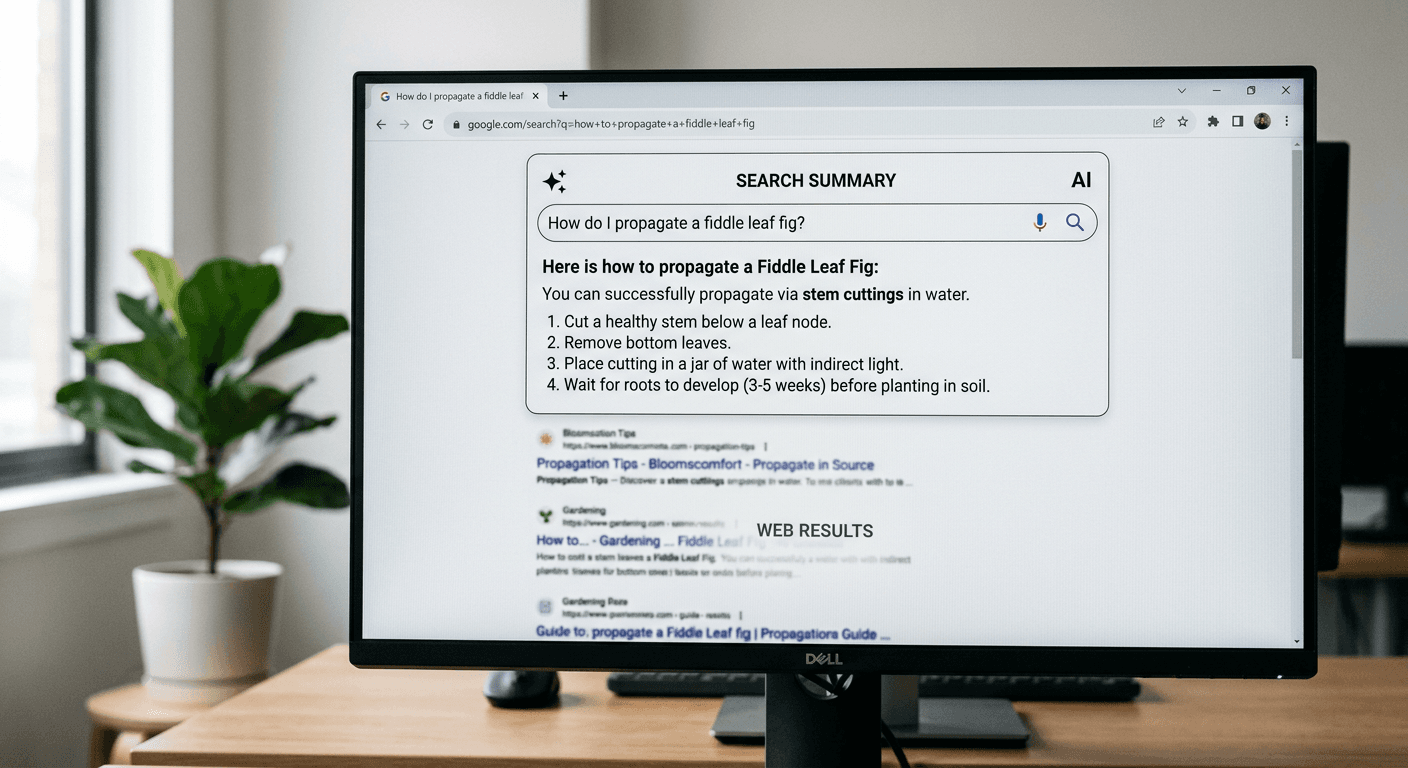
A fundamental transformation is underway in the digital marketing landscape, changing how users discover online information and challenging long-held assumptions about search engine visibility. According to industry research highlighted by media and education firm Prompt Insider, more than 60% of all Google searches now conclude without a single click to an external website. This zero-click trend climbs even higher within Google's emerging AI-powered search environments, where users receive synthesized answers directly inside AI summaries rather than clicking through to the websites that provided the information.
For decades, digital marketers operated under a straightforward formula: higher search engine optimization (SEO) rankings naturally led to increased website traffic. However, this direct connection is breaking apart. Recent industry insights reveal that maintaining a top organic rank on Google no longer ensures that a brand will be featured within AI-generated answers. Businesses can still achieve top SEO rankings while quietly losing their actual visibility to AI summaries that capture user attention first.
The Decoupling of Rankings and Traffic
This shift manifests across multiple sectors. For instance, a law firm might secure the top organic spot for "estate planning attorney in Dallas" yet fail to appear in ChatGPT's direct recommendations. Similarly, an e-commerce brand with years of established search authority may see Google’s AI Overview resolve a shopper's query before they ever visit the online store. In the software space, a SaaS company can hold a page-one ranking while AI platforms consistently highlight competitors deemed more authoritative or ready to answer the user's specific query.
Rather than disappearing, digital traffic is migrating toward conversational, AI-driven platforms. These include tools like ChatGPT, Claude, Perplexity, Gemini, and Google AI Mode. Industry analysts predict that this shift in user behavior will accelerate rapidly over the coming years as audiences become increasingly accustomed to receiving consolidated, synthesized answers instead of browsing through individual websites.
"The hardest conversation we have with marketers is helping them realize their rankings are no longer the full picture," noted Kai Williams of Prompt Insider. Williams points out that many organizations continue to track success using outdated metrics built for an older version of the internet, ignoring where user attention is actively moving.
Shift From SEO to AEO
This evolution has given rise to a new discipline known as Answer Engine Optimization (AEO). While traditional SEO focuses on boosting a website's position in standard search results by evaluating keywords and backlinks to rank pages, AEO aims to position a brand as the primary source selected by AI platforms to construct their answers.
The fundamental difference lies in how these systems operate: traditional search engines rank web pages, whereas AI engines select sources. To win visibility in this new era, brands must format their content to satisfy the specific criteria AI-driven discovery systems prioritize. These systems favor content that is:
- Directly answerable
- Clearly structured
- Factually authoritative
- Context-rich
- Supported by credible third-party references
As the digital ecosystem shifts from blue links to conversational answers, marketers must adapt their strategies to target these AI search engines, ensuring their brand remains visible where users are actually looking.