

Why Perplexity Users Are Your Most Valuable Customers
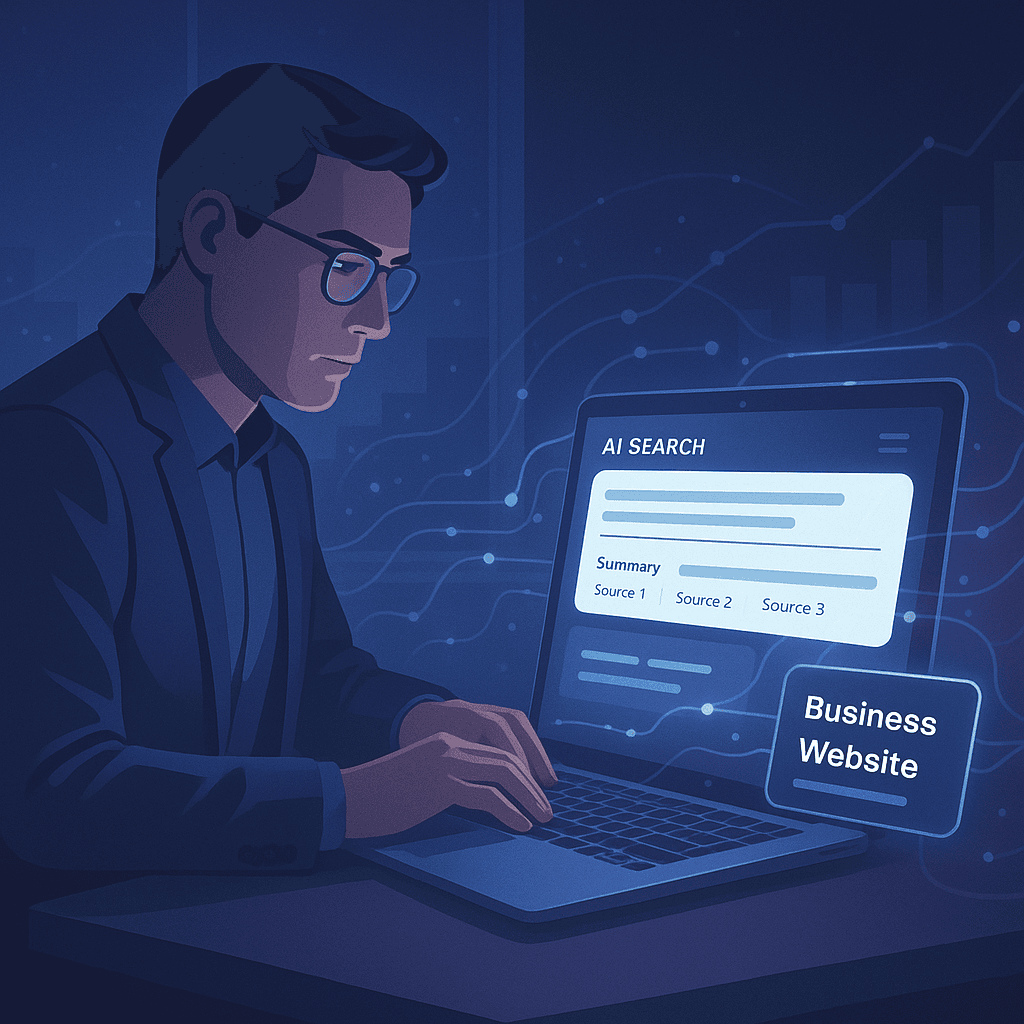
There’s a quiet shift happening in the way people search online. It’s subtle, but powerful. And the businesses paying attention are already pulling ahead.
Perplexity users aren’t casual browsers. They aren’t skimming headlines while half-watching TV. They’re searching with intention. They’re digging for depth. And if you ask seasoned growth strategists, these users are the most valuable customers a business can attract right now.
Why? Because intent changes everything.
The Rise of Intent-Driven Search
Search used to be simple. Type a few words. Click a blue link. Hope for the best.
Now? Users expect answers - fast, sourced, contextualized. Perplexity has built its reputation on delivering exactly that. It’s not just a search engine. It’s an answer engine. And that changes user behavior in a big way.
Perplexity users typically:
- Ask highly specific, research-driven questions
- Read multiple sources before deciding
- Compare tools, services, and platforms carefully
- Value transparency and citations
- Take action once confident
That last point is the gold mine.
When someone finishes research inside Perplexity, they’re not browsing for fun. They’re ready. It’s like someone walking into a store after reading five reviews and watching three demo videos. They’re not window-shopping - they’re reaching for their wallet.
Perplexity Users Think Differently
Here’s a hot take: not all traffic is created equal.
Ten thousand random visitors mean less than one hundred deeply engaged researchers. Vanity metrics feel good, sure. Big numbers look impressive in a report. But revenue doesn’t come from impressions. It comes from decisions.
Perplexity users tend to be:
1. Analytical
They want evidence. Claims without proof don’t work on them. They check sources. They click citations. They read footnotes.
2. Problem-Focused
They aren’t casually browsing lifestyle blogs. They have a specific challenge and want a concrete solution.
3. Decision-Ready
Once they’ve gathered enough information, they act quickly. The research phase is intense - but short.
That combination creates a rare customer profile. Skeptical but decisive. Careful but action-oriented. It’s like dealing with a chess player who thinks five moves ahead… then moves confidently.
Higher Trust Equals Higher Conversions
Trust is the currency of the modern internet.
Perplexity builds trust by showing sources directly in the interface. That means when your brand appears as a cited authority, credibility transfers instantly. You’re not just another link in a list. You’re part of the answer.
That positioning matters.
Think of it this way: traditional search results feel like a crowded marketplace. Everyone shouting. Everyone competing for attention. Perplexity feels more like a curated briefing from a research assistant. Calm. Structured. Intentional.
If your business appears in that briefing, you don’t look desperate. You look authoritative.
And authority converts.
Why Businesses Should Care - Now
Most companies are still obsessed with traditional SEO. Rankings. Backlinks. Keywords stuffed into every corner of a page.
That approach still matters. But it’s no longer the full picture.
Optimizing for AI-driven search tools like Perplexity requires a slightly different mindset:
- Clarity over fluff - Direct answers perform better than vague marketing language.
- Structure over chaos - Clean formatting, headings, and organized information win citations.
- Authority over hype - Data, case studies, and credible sources matter more than big promises.
Sounds simple, right?
It isn’t - not without strategy.
Businesses that understand this shift are working with specialized platforms like rapidwombat.com to position themselves effectively inside AI search environments. It’s no longer just about ranking. It’s about being referenced, summarized, and trusted by AI systems that guide user decisions.
That’s a different game.
Perplexity Traffic vs Traditional Search Traffic
Let’s compare the two.
Traditional Search Visitor
- May click multiple results quickly
- Often skims content
- Leaves if page loads slowly
- Might still be in the curiosity phase
Perplexity User
- Arrives after reading summarized insights
- Already understands core options
- Has filtered out irrelevant choices
- Is closer to making a purchase decision
The second visitor is warmer. More focused. More likely to convert.
It’s the difference between someone strolling through a mall and someone walking into a specific store with a product screenshot pulled up on their phone.
Which one would you rather serve?
The Compounding Effect of Being Cited
Here’s something many marketers miss.
When Perplexity cites a source, it doesn’t just drive traffic once. It reinforces brand authority repeatedly. Users see the same domain referenced across related queries. Over time, that repetition builds familiarity.
And familiarity builds preference.
Preference builds revenue.
This creates a compounding loop:
- High-quality content gets cited.
- Users click and engage.
- Brand credibility increases.
- Future queries are more likely to surface that same source.
It’s almost like earning digital word-of-mouth at scale. Not flashy. Not loud. Just steady and powerful.
What Makes Perplexity Users So Profitable?
Let’s break it down clearly.
1. Shorter Sales Cycles
They’ve already done the heavy lifting. Your site becomes the final checkpoint, not the starting point.
2. Higher Average Order Value
Research-driven buyers often choose premium solutions. They care about quality, not just price.
3. Lower Customer Acquisition Cost Over Time
Once positioned well in AI search ecosystems, traffic becomes more sustainable and less dependent on constant ad spend.
4. Stronger Retention
Customers who research deeply before purchasing tend to experience less buyer’s remorse. They knew what they were getting.
In other words, they stick around.
The Psychology Behind It
Perplexity users are engaging in what psychologists call “active information processing.” They aren’t passively consuming content. They’re evaluating it.
That mindset changes how they view brands.
Instead of asking, “Does this look good?” they’re asking, “Does this solve my problem?”
When your business answers that question clearly - without fluff, without exaggeration - trust accelerates.
It’s like being the calm expert in a noisy room. You don’t need to shout. You just need to be precise.
How to Attract More Perplexity Users
This isn’t about tricking an algorithm. It’s about aligning with how modern search works.
Here’s a practical starting framework:
- Create in-depth, well-structured guides that answer specific questions
- Use clear headings and concise summaries
- Back claims with data and reputable sources
- Avoid exaggerated marketing language
- Keep content updated regularly
Notice a pattern?
Clarity. Structure. Authority.
That’s the formula.
And for businesses that want a serious edge, specialized optimization for AI search platforms is becoming essential. The companies that adapt early won’t just gain traffic - they’ll gain leverage.
The Early Advantage Is Real
Every major digital shift rewards early adopters.
Social media. Mobile optimization. Video marketing. Each wave created winners who moved first and laggards who scrambled to catch up.
AI-powered search is the next wave.
Right now, competition inside Perplexity’s ecosystem is lower than traditional search. That won’t last forever.
Brands that establish authority today will benefit from cumulative visibility tomorrow. Those that ignore it may find themselves invisible in the most important buying conversations.
And invisibility online? That’s expensive.
Final Thoughts
Perplexity users represent something rare in digital marketing: focused attention paired with high intent.
They research carefully. They evaluate thoroughly. Then they act.
For businesses willing to provide real value, clear answers, and structured information, these users aren’t just visitors. They’re ideal customers.
The smartest brands aren’t chasing noise anymore. They’re positioning themselves where decisions are actually made.
And increasingly, those decisions begin inside Perplexity.