

Building Backlinks That Matter for Perplexity Rankings
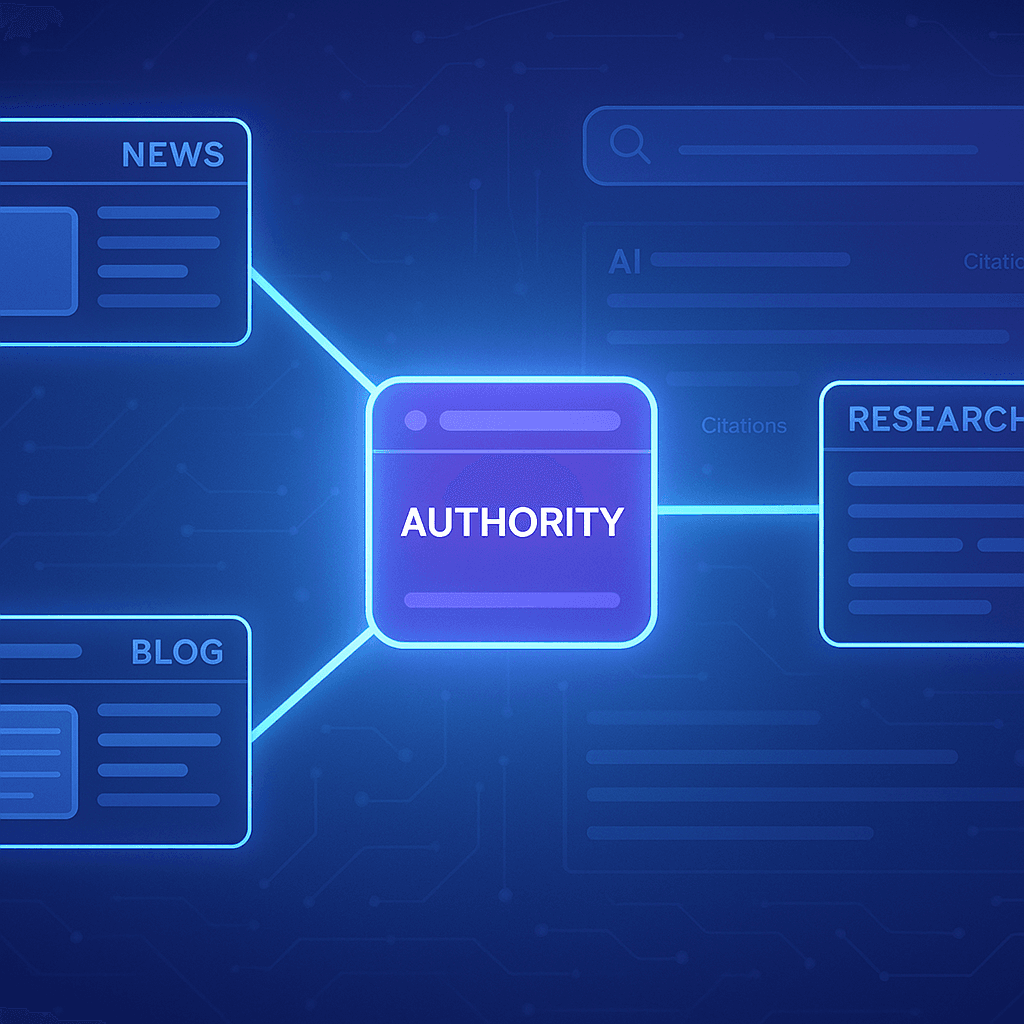
Search is changing. Quietly. Quickly. And if a brand is still building backlinks like it’s 2015, it’s already behind.
Perplexity rankings are not just about blue links anymore. They’re about authority, citations, and trust signals that AI-driven engines can interpret without squinting. Backlinks still matter - a lot - but only the kind that carry weight.
Here’s the truth: a thousand weak links won’t outperform ten strong ones. Not now. Maybe not ever again.
Why Backlinks Still Matter for Perplexity SEO
Perplexity operates differently from traditional search engines. It synthesizes answers. It cites sources. It rewards credibility. That means backlinks function less like popularity votes and more like expert references in a research paper.
Think about it. When an AI engine scans the web to answer a query, it looks for signals that say, “This source knows what it’s talking about.” High-quality backlinks provide exactly that signal.
But not all links are equal. Some whisper. Others command attention.
What Makes a Backlink Valuable Today?
- Topical relevance - The linking site covers related subject matter.
- Authority - The domain has real trust and established credibility.
- Contextual placement - The link sits inside meaningful content, not footers or random directories.
- Editorial integrity - The mention feels earned, not forced.
- Traffic signals - Real humans engage with the content.
Sounds simple, right? It isn’t. Because earning those links requires substance.
The Shift From Quantity to Authority
There was a time when link building felt like collecting baseball cards. More was better. Stack them high.
Now? It’s closer to curating a museum exhibit. Each piece must belong.
Perplexity rankings favor brands that demonstrate subject authority. That authority often comes from a network of credible sites referencing the same source repeatedly across time. It’s not about spikes. It’s about patterns.
Consistency builds trust. Trust builds visibility.
Topical Clusters Win
Random backlinks across unrelated niches don’t create a coherent authority signal. Instead, they dilute it.
A better strategy focuses on:
- Publishing deep, focused content within a niche.
- Earning links from publications in that same ecosystem.
- Reinforcing related topics through internal linking.
Imagine building a neighborhood instead of scattering houses across the country. Which feels stronger? Which looks intentional?
Editorial Links vs. Manufactured Links
Perplexity’s AI systems are remarkably good at detecting patterns. Manufactured links - comment spam, low-tier directories, irrelevant guest posts - leave footprints. Obvious ones.
Editorial backlinks, on the other hand, blend naturally into content because they belong there.
Here’s a hot take: if a link wouldn’t make sense to a human reader, it won’t make sense to AI either.
How to Earn Editorial Backlinks
Brands that rank well in Perplexity tend to earn links through value-first strategies:
- Publishing original research or data studies.
- Providing expert commentary journalists can cite.
- Creating definitive guides within a narrow vertical.
- Developing tools or resources worth referencing.
It requires patience. It requires outreach. And it requires content that doesn’t feel generic.
That’s why many businesses turn to specialized services like rapidwombat.com to secure placements that actually move rankings instead of just inflating metrics.
The Role of Brand Mentions in Perplexity Rankings
Here’s something interesting. Perplexity doesn’t always rely on traditional hyperlink structures alone. Brand mentions, citations, and contextual references also feed authority models.
That means visibility across respected platforms - even without a direct anchor link - can influence trust signals.
However, hyperlinks remain the clearest and strongest signal. They act like digital pathways connecting credibility from one domain to another.
Remove the pathways, and the structure weakens.
Anchor Text Strategy Without Over-Optimization
Over-optimized anchor text used to be common practice. Exact-match phrases everywhere. Predictable. Mechanical.
Today, that strategy feels risky.
Perplexity rankings favor natural language patterns. Anchor text should:
- Match conversational phrasing.
- Reflect genuine context.
- Avoid repetition across multiple placements.
If every backlink uses the same keyword, it sends the wrong signal. Diversity feels organic. Uniformity feels engineered.
Digital PR and Thought Leadership
Want backlinks that matter? Become quotable.
Journalists, bloggers, and industry analysts constantly seek credible voices. When a brand positions itself as a thought leader, it earns mentions in high-authority publications.
That’s not luck. It’s strategy.
Building Authority Through Expertise
Effective brands often:
- Publish opinion pieces with clear stances.
- Release commentary tied to trending topics.
- Participate in expert roundups.
- Provide unique data insights.
When others quote and reference that expertise, backlinks follow naturally. And those are precisely the kinds of links Perplexity trusts.
Technical Foundations Still Matter
Strong backlinks won’t compensate for a weak foundation.
Perplexity analyzes structured data, page clarity, and crawl accessibility. If a page loads slowly or buries key information, authority signals lose impact.
Think of backlinks as endorsements. If someone endorses a confusing, poorly structured page, does that endorsement fully transfer value? Not quite.
Technical SEO, clean formatting, and clear topical focus amplify backlink power.
Measuring Backlink Impact for Perplexity
Traditional metrics like Domain Authority offer rough guidance, but they don’t tell the full story.
Brands serious about improving Perplexity rankings often track:
- Referral traffic from linking domains.
- Keyword visibility shifts after placements.
- Brand citation frequency.
- Engagement metrics on linked content.
Movement rarely happens overnight. Authority compounds. It stacks quietly until visibility jumps.
Patience is part of the process.
Common Backlink Mistakes to Avoid
Even experienced marketers slip up. Some mistakes are subtle. Others are painfully obvious.
1. Chasing Metrics Instead of Relevance
A high Domain Authority score means little if the site has no connection to the topic. Relevance trumps raw numbers.
2. Ignoring Content Quality
Thin articles stuffed with links don’t build credibility. They erode it.
3. Overlooking Internal Linking
External backlinks are powerful, but internal linking distributes authority across a site. Without it, value stays isolated.
4. Moving Too Fast
A sudden surge in links can look unnatural. Organic growth appears steady and varied.
Slow growth might feel frustrating. It works.
The Future of Backlinks in AI-Driven Search
Perplexity represents a broader shift in how search engines evaluate information. AI doesn’t just count links - it interprets context, sentiment, and topical authority.
Backlinks are evolving from simple ranking factors into credibility signals woven into a larger intelligence framework.
What does that mean for businesses?
It means shortcuts fade faster. It means authority compounds stronger. And it means brands that invest in genuine relationships, real expertise, and editorial credibility will dominate.
Building backlinks that matter for Perplexity rankings isn’t about tricks. It’s about trust.
And trust, once earned, becomes remarkably difficult to outrank.